Introducing our bee gardens!
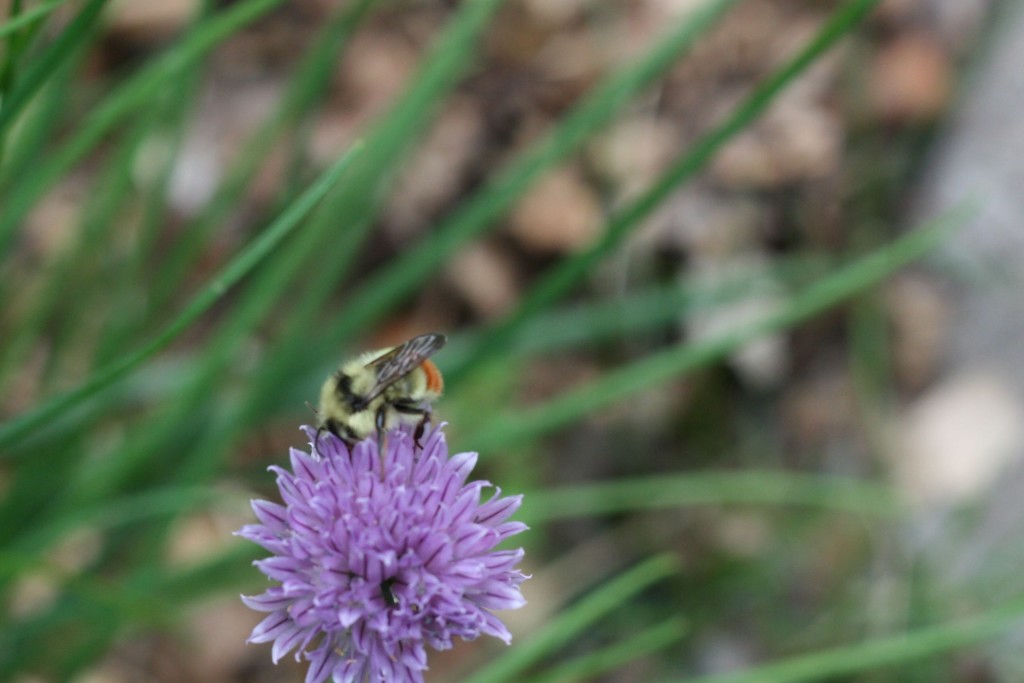
There is lots of talk about honey bees and more and more people are putting hives in their backyards which is great but our native bees need help too! I recently shared a great article on Facebook on how we also need to support our native bees and other pollinators. Last summer a customer contacted us asking about a collection of plants that she can plant to help our native bees. What a great idea! (Thanks Melinda!) We have been working on our bee gardens for a while now and we would like to introduce them now:
Prairie Tough Farms’ Bee Gardens: Melinda’s * Air Force One * Bee-Reel
Why? What do I get out of this?
Apart from helping our native bees there are also some benefits for your garden. Do you have fruit trees, berry bushes, a veggie patch? Is your garden not producing as much as you were expecting? Before you start thinking about fertilizer or even giving up all together, attract more bees! They are a workforce of full-time gardeners to help produce the strongest, most beautiful plants and healthiest vegetables. These hardworking busy bodies, along with other pollinators, are the smartest thing you can cultivate in your garden, because they will do much of the work for you.
Our Bee Garden kits:
Melinda’s*
18 plants – our full bee garden (*An insect hotel can be added to Melinda’s!)
Air Force One
9 plant – starter pack
Bee-Reel
9 plants – add-on pack (turn Air Force One into a full garden!)
All our plants are locally grown and without artificial fertilizers and any use of pesticides or herbicides. We grow our plants 100% outdoors to ensure they will thrive in your garden. All plants are sold in 3.5″/9cm pots, sorted and labeled in a tray.
We chose plants that are not only bee favourites but also bloom from early spring to late fall, mixed colours and are sorted by height (higher numbers are taller) so the plants don’t shade each other out. All plants are perennials and easy to grow and maintain. Our bee gardens include e.g. bee balm, yarrows, maiden pinks, hyssop, baptisia, mints, poppies, etc.
How to plant:
Your bee garden comes sorted for bloom time, colour and height and will be numbered for easy planting. The tallest plants need to be planted in the back to make sure they are not shading out shorter plants. Ensure your flower bed has loose soil that has been well watered before planting. After planting, water some more to ensure plants settle into the soil well. Keep checking the soil for the next couple of weeks and ensure it doesn’t dry out completely but reduce the watering gradually. As all plants are perennials, they will only need watering if it is very dry for a longer period of time. To keep your bee garden as weed-free and low maintenance as possible we recommend mulching it regularly.
Other Bee Tips:
Water:
Bees and other beneficial insects need fresh water to drink. To make water accessible for bees place a shallow bowl or plate at ground level near the bee garden. Add some small rocks or fancy marbles that stick out of the water as bees need little islands to land on. Add fresh water regularly (best is daily).
Extra tip: Place the water bowl next to plants with e.g. aphids as other beneficial insects that come to drink with take care of them for you!
Shelter:
A place to nest and breed will help keep bees in your garden. You can make your own by filling a wood box with rolls of paper straw or cut bamboo and straw or hay or buy one that looks beautiful and is functional. The box should be placed close to the garden a few feet above ground and either hung on a wall or a post. Make sure the bee shelter does not swing in the wind! (We are also offering a limited quantity of our insect hotels for purchase to customers that buy our full bee garden.)
Protect the Bees
It goes without saying that an organic garden is better for bees. Using pesticides, herbicides and artificial fertilizers in your garden will hurt the bee population and kill the pollinators that will help you grow healthy and strong plants. Your bee garden will attract other pollinators and beneficial insects that will help with pest problems.
Do bees sting?
Bees often get a bad reputation from being confused with wasps. Bees are gentle creatures that only sting to defend themselves from harm such as being grabbed or trampled. Stinging is the bee’s last defense as it won’t survive the sting. Wasps can be a bit more aggressive, but even so, unless they feel threatened or trapped, they won’t attack you. Bees and wasps simply defend themselves. Treat them with respect and care and you will be fine.